
A cell in every polling station
Kenya has more than 46,000 polling stations. Our organising target is a trained, resourced five-person team in every single one of them.
Elections are decided by roughly 700 people at a time
That is the average size of a Kenyan polling station. Nobody wins a general election on television — they win it 700 voters at a time, through people those voters already know and trust.
A national advert reaches a million people who will forget it by evening. A neighbour who knocks on your door, knows your name and answers your actual question reaches one person, permanently. The second is what wins elections, and it is the only thing this movement is organised to do at scale.
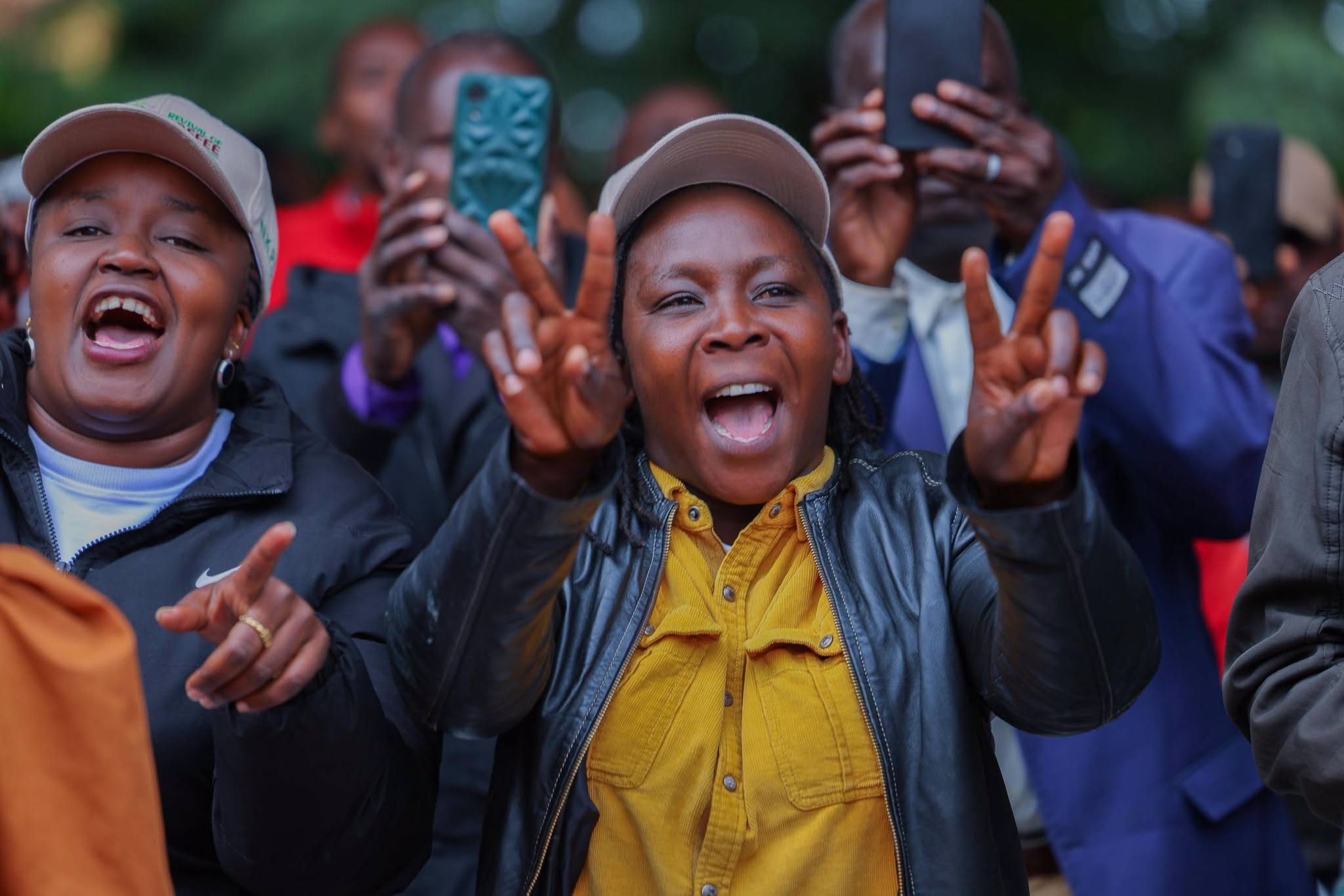
Five people. Five jobs.
Nobody does everything. Each role is small enough that a working person with a job and a family can genuinely do it.
Cell Coordinator
Owns the station. Keeps the supporter register, convenes the weekly check-in, reports upward to the ward coordinator and is accountable for the cell's conduct.
Mobiliser
Door-to-door contact. Identifies who is a supporter, who is undecided and who is not, then goes back to the undecided. Minimum twenty households a week.
Digital Champion
Runs the station's WhatsApp group. Pushes verified content from the secretariat and kills rumours inside the first hour, before they harden.
Polling Agent
Accredited and trained on Form 34A. Present from the opening of the station to the declaration of results. Protects the vote at the tally.
A cell that meets is a cell that works
The difference between an organisation and a WhatsApp group is a repeating weekly cycle that happens whether or not anybody is excited that week.

Receive the brief
The secretariat sends the week's message, the verified facts and the content pack. Read it before you post anything.
Door to door
Each mobiliser contacts a minimum of twenty households. Record who is a supporter, who is undecided, and what the undecided actually asked about.
Report and update
Contacts logged, supporter register updated, and any recurring question or rumour sent up to the rapid-response desk.
Cell meeting
Thirty minutes. What worked, what did not, who needs help, what is happening next week. Short and consistent beats long and occasional.
Community presence
Church, mosque, market, chama, boda stage. Not campaigning at people — being present among them.
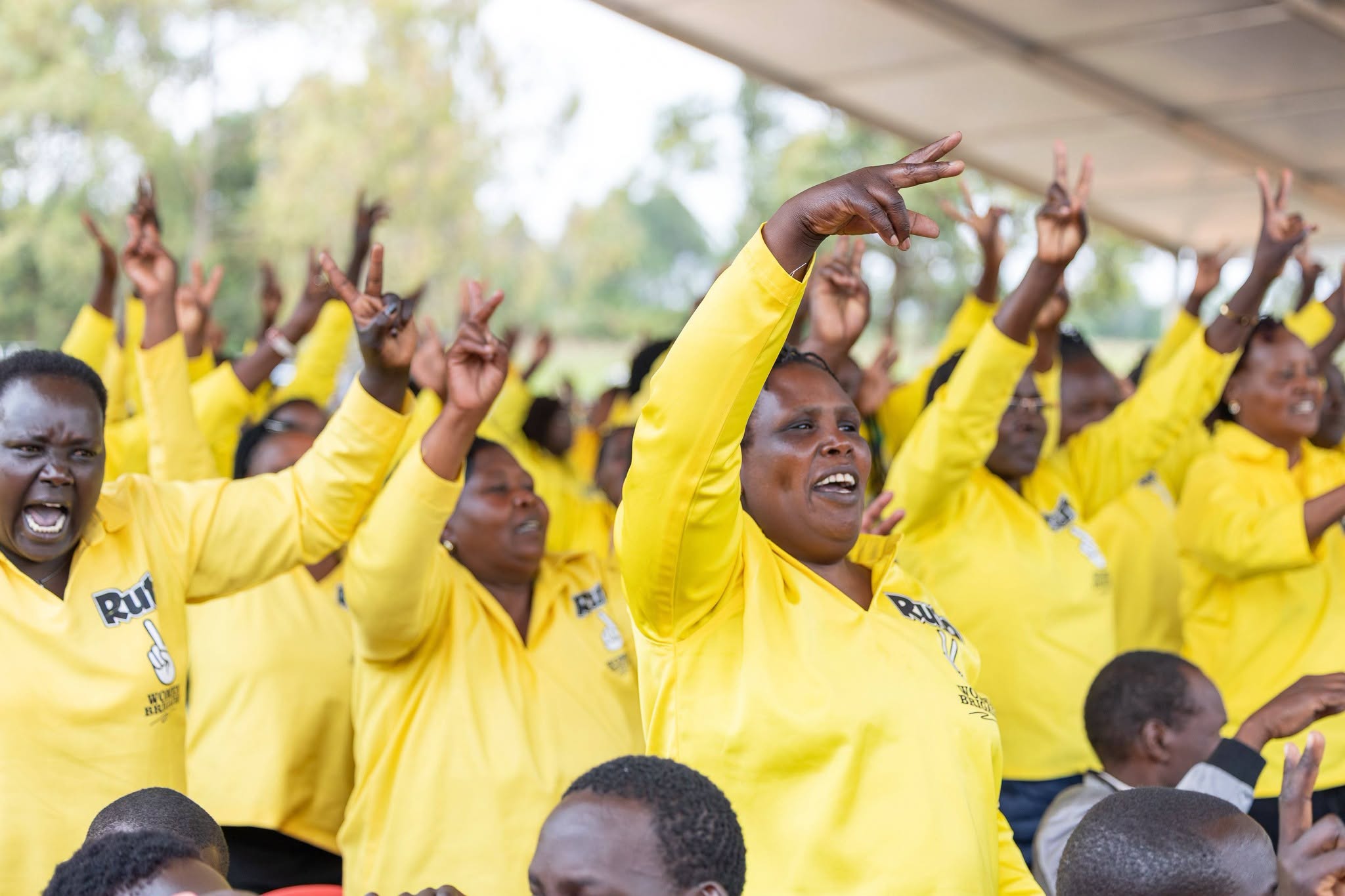
Three rules that are never bent
Never argue in public
Do not fight an opponent in a comment thread. Talk to the undecided person who is silently reading it. They are the only vote in that conversation.
Never share what you have not verified
Including content that flatters our own side. One false claim from our camp costs more than ten true ones gain. If it is not on this site, do not post it.
Never violence, never bribery
No intimidation, no weapons, no cash for votes, no incitement against any community or faith. A cell that breaks this rule is dissolved, and there is no appeal.
You do not need permission to begin
You need four other people who vote at the same station as you. Register below, name your station, and the ward coordinator will formalise your cell, get you accredited and put the materials in your hands.
Ready to start a cell?
Register as a supporter, tick "Polling Station Coordinator", and name your station. A coordinator in your county calls you within days.
- Free training and the full organising manual
- Weekly verified fact pack and content pack
- Direct line to the rapid-response desk
- Agent accreditation support ahead of polling day